Teaching
Teaching Philosophy
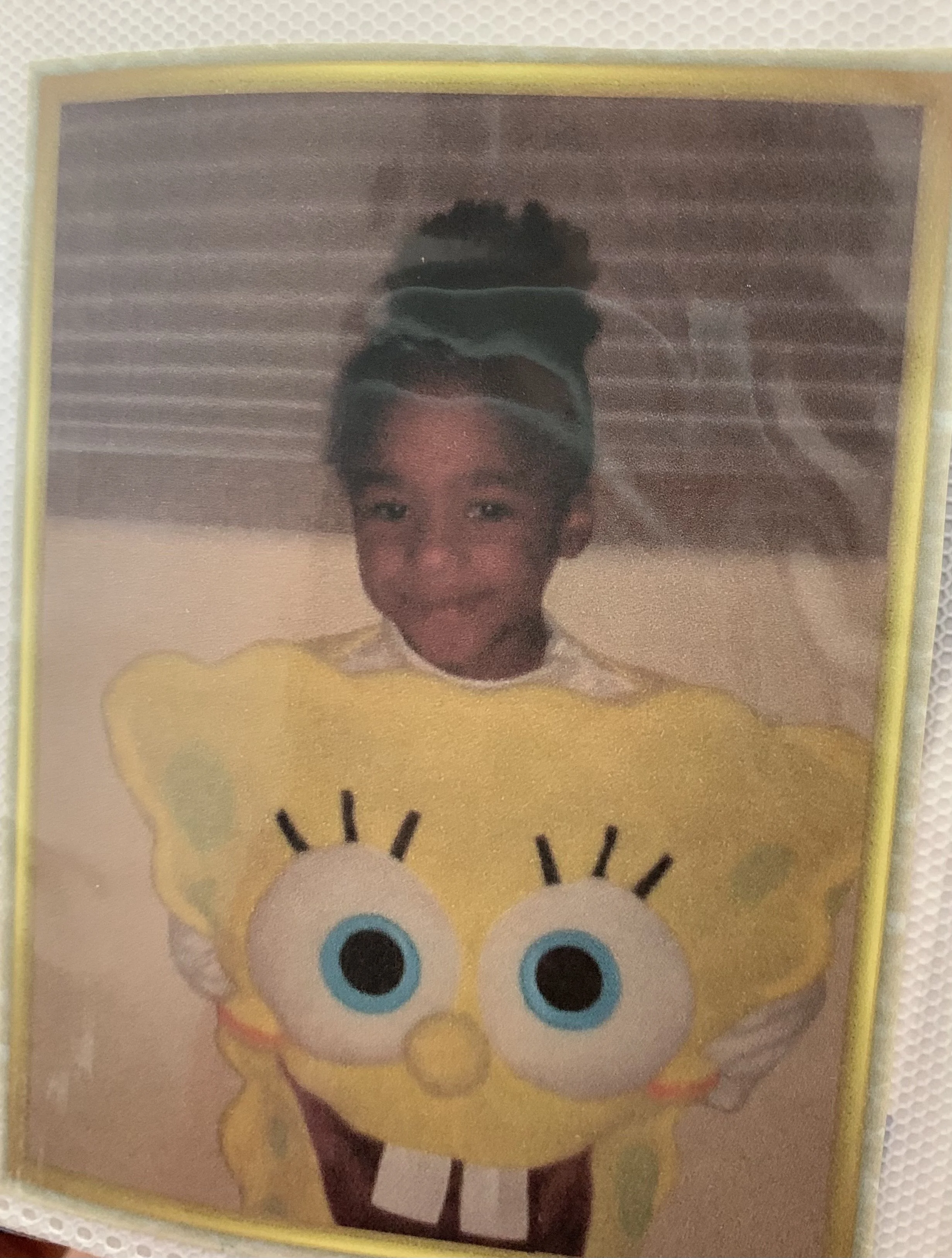
My teaching philosophy is rooted in the early experiences that shaped my relationship with art. My artistic development began with my grandmother, who was an educator, principal, and artist. She discovered art later in life and intentionally created opportunities for my brothers and me to explore creativity when we were young. She often brought watercolor paper and paints with her wherever we went, whether to the beach, the park, or on family trips. While she carefully painted what she observed, my brothers and I freely experimented, mixing colors and making marks without pressure.
In the spare bedroom of her apartment, she set up an easel just for us and encouraged us to look closely at what we were drawing. At the time I followed my own instincts, but I now recognize how important those moments were for developing creativity and confidence. Her apartment itself reflected her artistic spirit, filled with paintings, photographs, sculptures, and colorful hand-painted walls. Art was embedded in everyday life.
In contrast, my childhood home had very little art displayed, and most of my creative exploration happened during visits with my grandmother. Although I continued drawing occasionally, I often felt insecure about my artistic ability and eventually stopped taking art classes. I did not return to visual art until I was 24 years old. Reflecting on my experiences now, I realize how intentional my grandmother was in nurturing creativity simply by providing materials, modeling artistic practice, and encouraging observation.
As an artist educator, I strive to create similar environments where students feel safe to explore, experiment, and take creative risks. My lessons prioritize open-ended exploration and student choice, allowing students to develop their own ideas while learning new techniques.
I see my role as a guide who models artistic processes while supporting students as they develop their own creative voices. Ultimately, my goal is to create spaces where students feel empowered to explore materials, trust their ideas, and see themselves as artists.