Research
Theoretical Frameworks
My research is informed by interdisciplinary theoretical frameworks from education, philosophy, and critical social theory. These perspectives guide how I approach art education as a space for experiential learning, critical reflection, and community engagement. Together, these frameworks support my commitment to community-centered learning, socially engaged art practices, and the exploration of identity, power, and justice through creative practice.

-
![]()
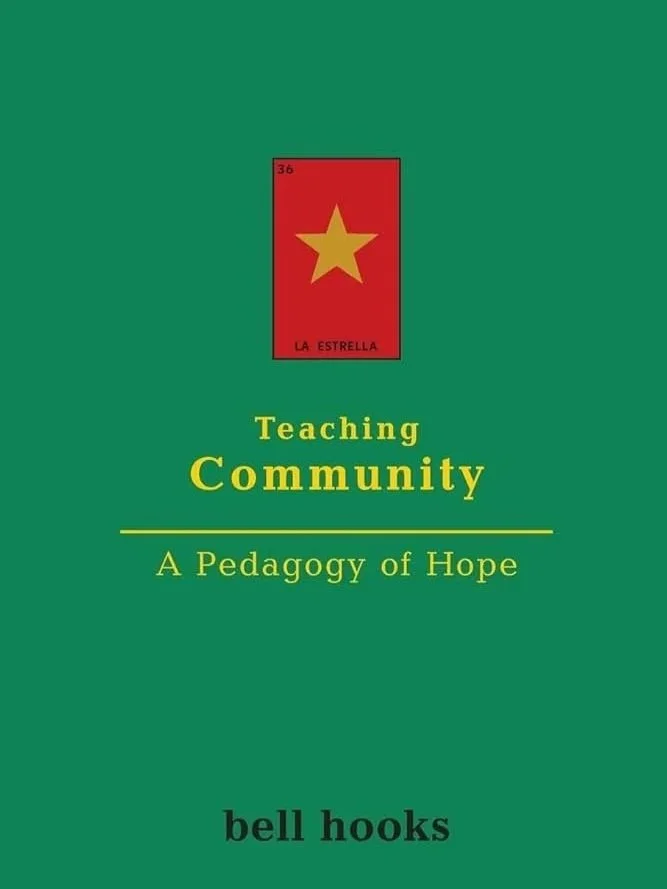
Black Feminist Theory
Black Feminist Theory centers the experiences and knowledge of Black women while examining how race, gender, class, and other identities intersect within systems of power. Scholars such as bell hooks, Patricia Hill Collins, and Kimberlé Crenshaw emphasize the importance of lived experience, storytelling, and resistance as sources of knowledge.
This perspective informs my commitment to centering marginalized voices within art education and research. In my work, I engage with histories and narratives that have often been excluded from dominant cultural discourse, particularly in projects that explore representation, reproductive justice, and the experiences of Black and Brown women.here
-
![]()
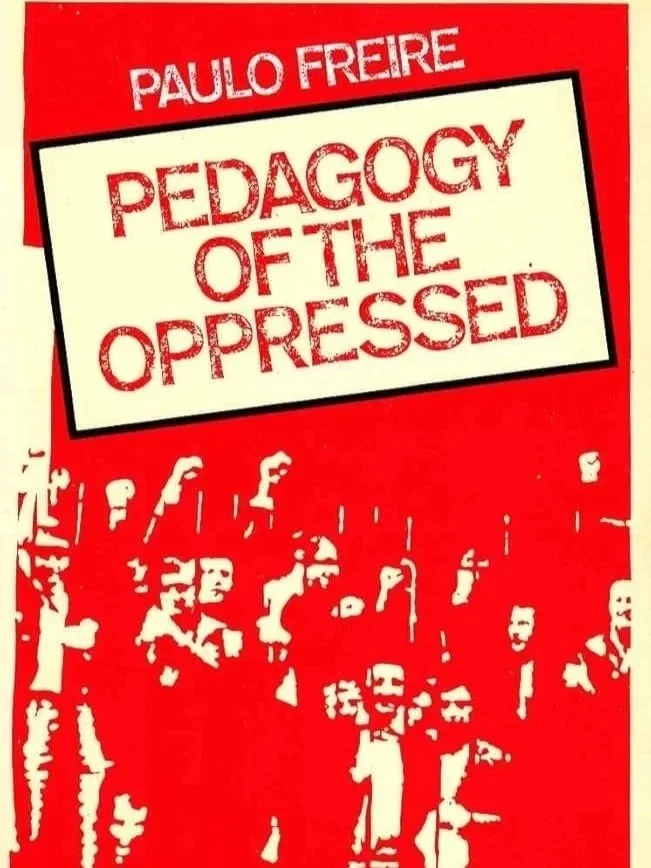
Critical Pedagogy
Critical Pedagogy, associated with Paulo Freire, frames learning as a process of developing critical consciousness through dialogue, reflection, and engagement with systems of power. It emphasizes the importance of questioning dominant narratives and recognizing the social and political dimensions of knowledge.
This framework shapes my research by grounding my work in a commitment to examining how art can function as a critical and dialogic practice. I explore how creative work can surface and challenge dominant narratives, engage participants in conversations about power and inequity, and support collective forms of inquiry and resistance.
-
![]()
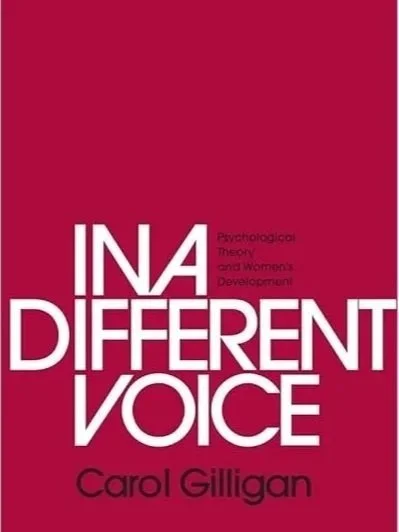
Ethics of Care
The Ethics of Care, developed by scholars such as Carol Gilligan and Nel Noddings, emphasizes relationships, empathy, and responsibility toward others. This framework highlights the importance of attentiveness, compassion, and relational understanding in ethical decision-making and social interaction.
In my teaching and research, the ethics of care guides how I approach collaboration, learning environments, and community engagement. I prioritize creating spaces where students and participants feel supported, valued, and heard. Care-centered practices help foster trust and meaningful dialogue, which are essential for both creative exploration and socially engaged research.
-
![]()
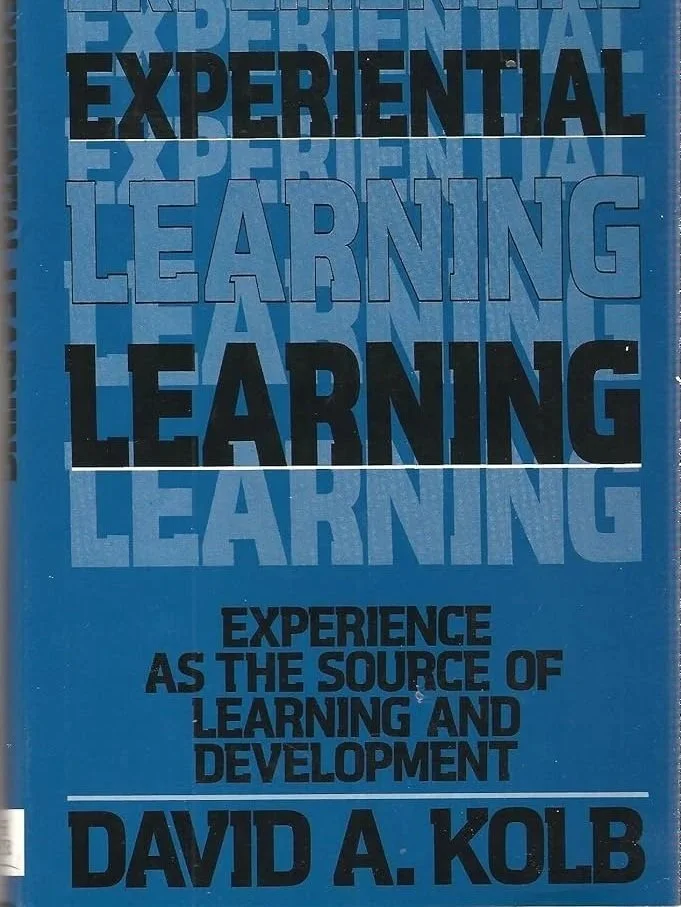
Experiential Learning Theory
Experiential Learning Theory, developed by David A. Kolb, emphasizes knowledge construction through experience, reflection, and active engagement. Learning is understood as a cyclical process in which meaning is made through doing and revisiting experience.
In my research, this framework informs how I understand participatory and community-based art practices as sites of knowledge production. Creative processes, particularly those that involve collaboration, material engagement, and reflection, function as methods through which participants generate and interpret meaning grounded in lived experience.
-
![]()
Identity-Centered Learning
Identity-Centered Learning focuses on the ways in which personal and collective identities shape how individuals experience, interpret, and produce knowledge. Grounded in culturally responsive and sustaining pedagogies, scholars such as Gloria Ladson-Billings emphasize the importance of centering learners’ lived experiences, cultural backgrounds, and social identities within educational and research contexts.
In my research, identity-centered learning informs my focus on art as a space for exploring and expressing identity. I investigate how creative practices allow participants to engage with questions of race, gender, culture, and belonging, and how these explorations intersect with broader social and political contexts. This framework aligns with my commitment to centering marginalized perspectives and understanding identity as dynamic, relational, and deeply connected to systems of power.
-
![]()
Place-Based Learning
Place-Based Learning emphasizes the importance of local context, environment, community, history, and culture, as central to knowledge production. Scholars such as David Sobel argue that learning rooted in place fosters deeper connections between individuals and their surroundings while encouraging ecological awareness and social responsibility.
In my research, place-based learning informs how I approach art as situated within specific environments and communities. I examine how creative practices engage with local histories, materials, and spatial contexts, particularly in projects related to environmental justice and sustainability. This framework supports my interest in how participants build relationships to place through art, and how these relationships can shift perceptions of land, resource use, and collective responsibility.
-
![]()
Somaesthetics
Somaesthetics, developed by Richard Shusterman, emphasizes the role of the body in shaping perception, knowledge, and aesthetic experience. It foregrounds embodied awareness and sensory engagement as central to how individuals experience and interpret the world.
In my research, somaesthetics informs my focus on embodied and spatial dimensions of art practice. I investigate how participants physically engage with materials, environments, and one another, and how these embodied interactions contribute to meaning-making, relationality, and awareness within socially engaged art contexts.
-
![]()
Transformative Learning Theory
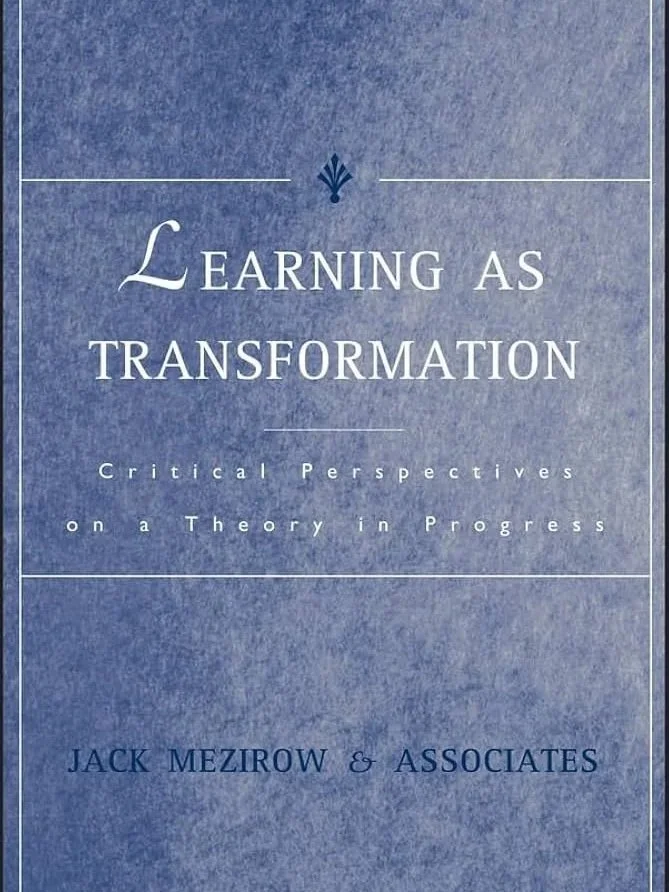
Transformative Learning Theory, introduced by Jack Mezirow, focuses on how critical reflection can lead to shifts in perspective and meaning-making. Through reflective engagement and dialogue, individuals may reconsider assumptions and develop new ways of understanding themselves and their social contexts.
This theory informs my research by positioning art as a space for critical reflection and potential transformation. I examine how creative practices can support shifts in perception, particularly in relation to social issues such as environmental justice and reproductive justice, allowing participants to reimagine their relationships to self, community, and environment.